

What is the difference between comprehensive and collision insurance?
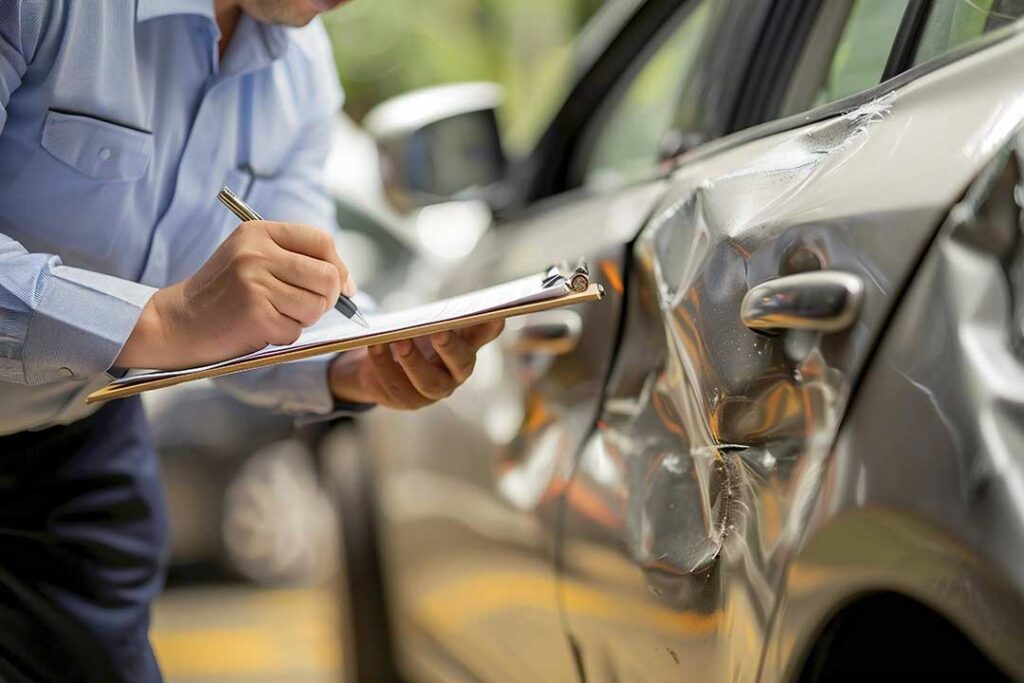
Comprehensive and collision coverage both help pay for damage to your own vehicle, but they apply to different types of losses. Collision generally covers damage caused by hitting or being hit by another vehicle or object. Comprehensive covers many non-collision events, including theft, vandalism, fire, hail, flooding, falling objects, and animal strikes.
For residents in Lawrenceville, GA, the distinction matters because a vehicle can be damaged even when no crash occurs. Severe weather, falling branches, theft, and debris can all create repair costs that liability insurance does not cover.
What does collision insurance cover?
Collision coverage is designed for damage caused by the vehicle striking something or being struck by something. Common examples include:
- Crashing into another vehicle
- Hitting a tree, fence, pole, or guardrail
- Backing into a structure or another car
- Damage from a single-vehicle accident
- Being hit by another driver, regardless of who is at fault, subject to the policy terms
Collision coverage usually pays for repairs or the vehicle’s actual cash value if it is declared a total loss. The insurer generally subtracts the selected deductible before paying.
For example, if repairs cost $4,000 and the collision deductible is $1,000, the covered payment may be approximately $3,000, assuming no other policy limitations apply.
Collision does not normally cover mechanical breakdowns, worn tires, routine maintenance, or damage that happens solely because of a manufacturing defect. It also does not pay for injuries or damage to another person’s vehicle. Those concerns involve other types of coverage.
What does comprehensive insurance cover?
Comprehensive coverage, sometimes called “other than collision” coverage, generally applies to physical damage caused by events other than a crash. Covered causes often include:
- Theft or attempted theft
- Vandalism
- Fire
- Hail and wind damage
- Flooding
- Falling trees or branches
- Broken glass
- Contact with an animal, such as a deer
- Damage from riots or civil disturbances
This coverage can be particularly relevant for vehicles parked outdoors or driven during changing seasonal conditions. Hail, heavy rain, fallen limbs, and animals entering roadways are examples of risks that do not require a traditional collision to cause expensive damage.
Comprehensive coverage also typically has its own deductible, which may be different from the collision deductible. A policy could have a $500 comprehensive deductible and a $1,000 collision deductible, for example.
Does Georgia require comprehensive or collision insurance?
No. Georgia law requires automobile liability insurance, but it does not require drivers to purchase comprehensive or collision coverage for their own vehicles.
Georgia’s minimum liability limits are commonly described as 25/50/25: $25,000 for bodily injury to one person, $50,000 for bodily injury in one accident, and $25,000 for property damage in one accident. Liability coverage helps pay for damage or injuries a driver causes to others. It does not generally pay to repair that driver’s own vehicle.
A lender or leasing company may still require comprehensive and collision coverage as a condition of financing or leasing. The vehicle serves as collateral, so the contract commonly requires protection against physical damage. If coverage lapses, the lender may obtain force-placed insurance, which can be expensive and may protect the lender more than the vehicle owner.
Do most drivers need both coverages?
There is no single answer for every household. Drivers who want protection against both crashes and non-collision damage will generally need both comprehensive and collision coverage.
Keeping both may make sense when:
- The vehicle is financed or leased
- The vehicle would be difficult to replace
- The car has substantial market value
- A household could not comfortably pay for a major repair or replacement
- The vehicle is regularly parked outside
- The driver travels frequently on roads where animal strikes, debris, or severe weather are realistic concerns
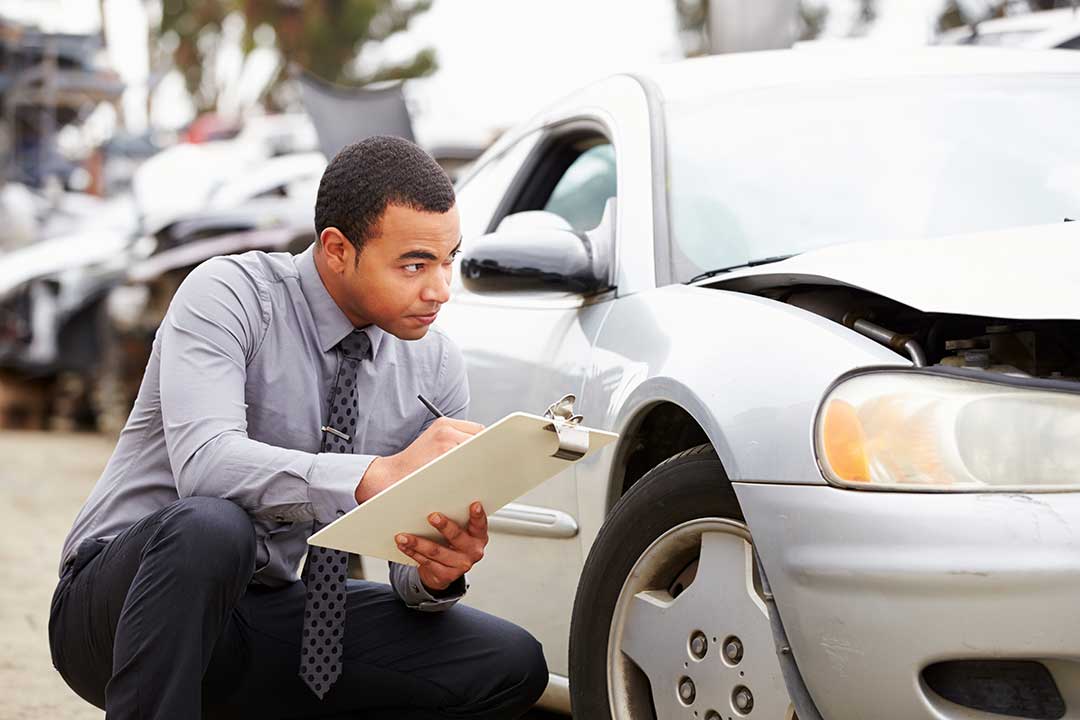
Some owners of older vehicles choose to drop collision coverage, especially when the vehicle’s value is modest. However, the potential savings should be compared with the amount that would be available after a serious accident. Removing coverage means accepting responsibility for repairing or replacing the vehicle after a covered collision.
How do deductibles affect the decision?
A deductible is the amount paid by the policyholder before the insurer contributes to a covered loss. Higher deductibles usually reduce the premium, but they also increase the amount required after a claim.
A useful question is whether the household could pay the deductible promptly without relying on credit or delaying necessary transportation. If a $1,500 deductible would be difficult to manage, selecting a lower deductible may provide more practical protection even if the premium is higher.
Comprehensive deductibles are sometimes lower than collision deductibles because comprehensive claims are often less costly than crash-related claims, though policy choices vary.
What happens if another driver causes the crash?
If another driver is responsible and has sufficient insurance, that driver’s property damage liability coverage may pay for damage to your vehicle. If the other driver is uninsured, underinsured, or cannot be identified, uninsured motorist property damage coverage or collision coverage may become relevant, depending on the policy and circumstances.
Using your own collision coverage can sometimes allow repairs to begin without waiting for the other driver’s claim to be resolved. The policyholder may still owe the deductible initially. In some situations, the insurer may later seek reimbursement from the responsible party and recover the deductible, but that outcome is not guaranteed.
What does comprehensive or collision coverage not include?
Neither coverage is a complete substitute for every other form of auto insurance. They generally do not cover:
- Medical expenses for the driver or passengers
- Damage the driver causes to someone else’s property
- Personal belongings stolen from the vehicle
- Normal wear and tear
- Mechanical failure unrelated to a covered event
- Loan balances exceeding the vehicle’s value
Personal items may fall under homeowners or renters insurance, subject to that policy’s terms and deductible. Medical payments, liability, uninsured motorist, rental reimbursement, and gap coverage address different risks.
Gap coverage can be relevant when a vehicle is worth less than the remaining loan or lease balance. Comprehensive or collision insurance may pay the vehicle’s actual cash value after a total loss, but that amount may not be enough to pay off the entire loan.
How should a vehicle owner evaluate the choice?
Start with the vehicle’s current value, loan or lease requirements, deductible amounts, and ability to absorb a major loss. Then consider how the vehicle is used and where it is stored.
A vehicle that is paid off and has limited market value may not justify the cost of both physical damage coverages. A newer vehicle used daily, parked outdoors, or financed over several years may present a stronger case for retaining both.
Review the decision after major changes, such as paying off a loan, moving, changing commuting patterns, or seeing the vehicle’s value decline. Coverage should match the financial risk a household is prepared to accept—not simply the age of the vehicle.